What the trend is
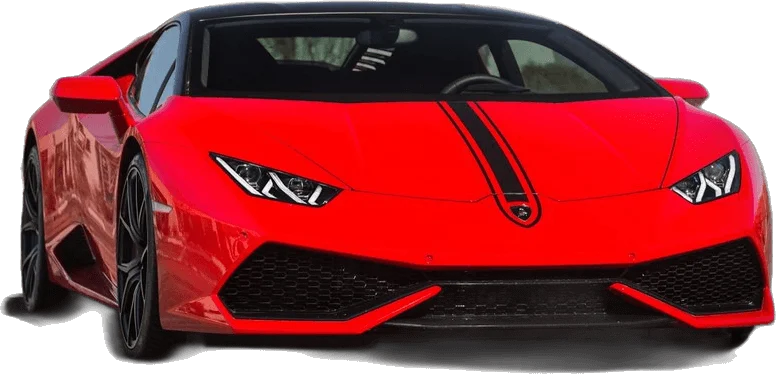
The UNO reverse car transition AI trend is a short video in which someone holds two UNO-style cards, a 2 and a 4, in front of the camera, and when the cards drop a sports car is parked behind them. The cards act as a wipe. They block the lens for about half a second, which hides the cut from "empty car park" to "car park with a supercar in it".
People also search for it as the "24 UNO car" trend, the "UNO card transition", and the "Unforgettable car trend", after the sound it is posted with. The AI version removes the need for a car, a location or a second take: the whole clip is generated from one photo.
The clip, beat by beat
We downloaded the reference clip that the most-viewed tutorial shares with its viewers and went through it frame by frame. It runs exactly 12 seconds at 30 frames per second in 1920×1080, filmed selfie-style in a floodlit lot. A young man in a black hoodie performs six beats:
| Time | Beat | What happens |
|---|---|---|
| 0.0–3.0s | Walk-in | You stand close to the lens in an empty lot, looking off to the side, then turn to face the camera. |
| 3.0–4.5s | Cards up | One hand rises and fans two cards, a 2 and a 4, right in front of the lens until they cover most of the frame. |
| 4.5–5.0s | Hidden cut | The arm sweeps across the lens. For a few frames nothing but sleeve and card is visible. |
| 5.0–7.5s | Reveal | The cards drop and a car is parked behind you. You glance back and jab a thumb at it. |
| 7.5–10.5s | Flex | Back to camera, hand beside the mouth as if sharing a secret, a small nod. |
| 10.5–12.0s | Cards out | The cards flick up again and the clip ends on a hands-on-head reaction. |
The car in that clip is a grey fastback with orange stripes. The prompt shared alongside it asks for a different car, a burgundy-red track coupe with a large wing, in a sunset car park. That mismatch is deliberate: the reference clip is there for the movement, and the prompt overrides the car.
Why it spread
- The trick is readable in one viewing. Cards up, cards down, car. Nobody needs it explained.
- It is a flex with a wink. The card gag signals that the car is a wish, which makes it shareable instead of boastful.
- The barrier dropped to one photo. Reference-video AI models can copy a performance and swap the performer, so the format no longer needs filming skill.
- Tutorial creators amplified it. Each tutorial gives away a prompt and a reference clip, which seeds hundreds more posts.
How the AI versions work
Every tutorial we reviewed uses the same three inputs:
- Your photo fixes identity: face, hair and outfit.
- A reference video fixes the performance: where you stand, when the cards go up, when the arm sweeps.
- A prompt fixes everything else: the car, the setting, and rules such as "reveal the car as the cards move down".
The model then renders a new clip that follows the reference movement with you in it. How the prompt works is explained here, and the step-by-step guide is here. UNO Reverse Car AI runs the same recipe with the reference clip and prompt already prepared.
Timeline
- Before October 2026: the card-wipe car reveal circulates as a filmed transition on TikTok and Instagram, using real cars and an edit point hidden behind the cards.
- Around October 8, 2026: the first YouTube tutorials for an AI-generated version appear, aimed at Instagram Reels creators.
- October 9, 2026: a 100-second tutorial by Jayanta Bhai shares a reference clip and a full prompt. It passes 20,000 views in three days.
- October 10 to 12, 2026: dozens of creators publish the same walkthrough with small variations in prompt and car.
Where to watch it
These creator clips show the effect. Each belongs to its creator and is shown here with permission and credit.